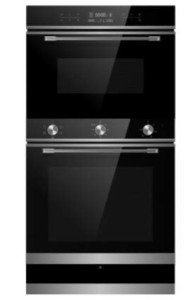
The Comprehensive Guide to Built-In Ovens
Intro
Built-in ovens are a staple in modern kitchens, combining sophistication with performance. They offer a sleek aesthetic and effective cooking capabilities, making them a favored option for house owners and culinary lovers alike. This short article dives into the benefits of built-in ovens, their numerous types, crucial features to think about, installation suggestions, and upkeep suggestions, together with often asked questions.
Benefits of Built-In Ovens
Built-in ovens featured an array of benefits that contribute to their appeal. Here are some essential benefits:
- Space-Saving Design: Built-in ovens are designed to fit effortlessly into kitchen cabinetry, enabling a more orderly and space-efficient kitchen layout.
- Aesthetic Appeal: They supply a streamlined and modern look that can enhance the overall style of the kitchen.
- Enhanced Functionality: Built-in ovens often come with advanced features and technologies that support different cooking techniques.
- Boosted Cooking Experience: Many built-in designs consist of self-cleaning functions, temperature level probes, and programmable settings, enhancing the cooking experience.
- Increased Property Value: A well-designed kitchen with built-in appliances can boost the value of a home.
Types of Built-In Ovens
Built-in ovens come in numerous types, each created to meet different cooking choices and needs. Here are the primary types:
| Type of Built-In Oven | Description |
|---|---|
| Single Oven | A single, standalone oven for standard baking and roasting. |
| Double Oven | Combines 2 ovens in one system, permitting several meals to cook at various temperatures. |
| Wall Oven | Set up in the wall, releasing up counter space, suitable for small kitchen areas. |
| Stove | Utilizes fans to circulate hot air for even cooking, enhancing the outcomes of baked goods. |
| Steam Oven | Makes use of steam for much healthier cooking options, protecting nutrients in food. |
Key Features to Consider
When selecting a built-in oven, a number of features can affect efficiency and usability. Here are some essential features to remember:
Cooking Modes
- Bake: Traditional baking with bottom heat.
- Broil: Top heat cooking ideal for browning and crisping.
- Convection: Circulates hot air for even cooking.
- Steam: Uses steam for healthier cooking options.
Size and Capacity
- Requirement sizes typically range from 24 to 30 inches wide.
- Consider the internal capability-- it can range from 3 to 6 cubic feet, permitting for different dish sizes.
Controls and Smart Features
- Touchscreen Controls: Easy programs and changes.
- Smart Technology: Connectivity features enable for remote tracking and control via mobile phone applications.
Energy Efficiency
- Look for models with ENERGY STAR ratings, suggesting lower energy consumption.
Safety Features
- Functions like automobile shut-off and kid locks improve safety during operation.
Installation Tips
Installing a built-in oven might need expert support, but here are some general pointers to remember:
- Choose the Right Location: Ensure there's enough space in your cabinets for installation, remembering ventilation requirements.
- Electrical Requirements: Check that your kitchen's electrical wiring fulfills the oven's power requirements, especially for electric models.
- Level the Oven: Ensure the oven is level to promote even cooking.
- Protect the Oven: Attach it strongly to the cabinets to prevent motion throughout usage.
Upkeep Advice
Routine upkeep is essential for the longevity and efficiency of a built-in oven. Here's how to keep it in top shape:
- Regular Cleaning: Wipe down surface areas after each use and carry out deep cleansing regularly.
- Check Seals: Inspect door seals for wear and guarantee they maintain an airtight fit to improve energy efficiency.
- Adjust Temperature: If food consistently comes out overcooked or undercooked, think about recalibrating the oven's temperature settings.
- Expert Servicing: Schedule annual check-ups with a trained service technician to preserve optimum performance.
FAQs
What is the distinction in between a built-in oven and a freestanding oven?
Built-in ovens are created to be set up within cabinetry, offering a seamless look. In built under double oven and hob packages , freestanding ovens are standalone units that normally include their own cooktop.
Are built-in ovens more costly than freestanding models?
Typically, built-in ovens can be more costly due to the included setup expenses and advanced functions. Nevertheless, rates differ widely based upon brand, size, and functionalities.
Can I set up a built-in oven myself?
While it is possible to install a built-in oven yourself, it is suggested to hire an expert to guarantee appropriate installation, especially if adjustments to cabinets or electrical work are needed.
How frequently should I clean my built-in oven?
It is advisable to clean your built-in oven frequently after heavy usage. For deeper cleansings, use the self-cleaning function if readily available or periodically carry out manual cleansing to prevent accumulation.
Built-in ovens are an important addition to any kitchen, offering both visual appeal and advanced cooking capabilities. By comprehending built in oven and induction hob package , features, setup, and maintenance requirements, house owners can make informed choices that boost their cooking experience and enhance the total worth of their homes. As kitchen styles continue to develop, built-in ovens will likely remain a popular choice for modern homes.