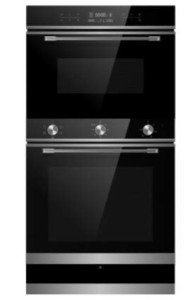
The Rise of Electric Integrated Ovens and Hobs: A Comprehensive Guide
Worldwide of modern-day kitchen areas, electric integrated ovens and hobs have actually become important appliances, offering efficiency, style, and benefit. As cooking practices evolve, so too do the innovations that make cooking much easier and more pleasurable. This article looks into the functions, benefits, setup considerations, and maintenance ideas for electric integrated ovens and hobs, while resolving common frequently asked questions.
What is an Electric Integrated Oven and Hob?
An electric integrated oven and hob is a mix cooking home appliance that effortlessly suits kitchen cabinetry. Created to enhance space and visual appeal, these appliances offer the dual performance of an oven and a hob (cooktop) without compromising on efficiency.
Key Features of Electric Integrated Ovens and Hobs
- Space-Saving Design: These appliances are built to fit nicely into kitchen systems, optimizing readily available space.
- Touch Control Panels: Many designs include touch-sensitive controls for easy operation and smooth look.
- Advanced Cooking Functions: Options like convection baking, barbecuing, and steaming accommodate various cooking styles.
- Energy Efficiency: Electric integrated ovens typically offer better thermal effectiveness compared to conventional gas designs.
- Safety Features: Child locks, automatic shut-off, and heat indicators improve safety during cooking.
Benefits of Electric Integrated Ovens and Hobs
The adoption of electric integrated ovens and hobs in families features numerous advantages that attract a large range of cooking enthusiasts, from amateur cooks to expert chefs. Here are some of the most significant benefits:
1. Effectiveness and Consistency
- Uniform Cooking: Electric ovens and hobs supply constant heat circulation, resulting in equally prepared food.
- Decreased Cooking Times: Advanced innovations, such as induction heating, can significantly decrease cooking times.
2. Easy to Clean
- Smooth Surfaces: The streamlined surfaces of integrated styles eliminate food traps, making them simple to clean down.
- Self-Cleaning Options: Many contemporary ovens come with self-cleaning functions that simplify maintenance.
3. Looks
- Modern Look: An integrated style offers a unified appearance in the kitchen, making the space appear more modern-day and curated.
4. Flexibility
- Multi-Functionality: Cooking options range from baking and grilling to frying and simmering, catering to diverse cooking requirements.
- Time-Saving: Can cook multiple meals simultaneously, enhancing meal preparation.
5. Cost-Effectiveness
- Lower Energy Bills: Electric appliances are normally more effective, resulting in prospective savings on energy bills over time.
Setup Considerations
Integrating electric ovens and hobs into your kitchen requires proper planning and factor to consider. Here are some essential aspects to bear in mind:
- Space Measurement: Ensure that the measurements of the home appliance line up with the designated setup space.
- Electrical Requirements: Check for appropriate electrical supply, consisting of voltage and amperage to support the device.
- Ventilation Needs: While electric appliances do not need gas ventilation, sufficient space for air flow is still essential.
- Cabinet Compatibility: Ensure cabinets can support the combined weight of the oven and hob.
- Expert Installation: Engaging with a qualified technician is suggested for safe and certified setup.
Maintenance Tips for Electric Integrated Ovens and Hobs
Keeping an electric integrated oven and hob guarantees durability and optimal efficiency. Here are some maintenance practices:
- Regular Cleaning: Wipe down surface areas routinely and ensure spillages are cleaned up as quickly as possible.
- Check Seals: Ensure that door seals are undamaged to prevent heat loss, which can affect cooking performance.
- Self-Cleaning Cycle: Utilize the self-cleaning feature if offered, at least once every few months.
- Check Wiring and Cords: Check for harmed cords or connections to avoid electrical threats.
- Arrange Professional Servicing: Regularly set up service can determine concerns before they end up being considerable problems.
Regularly Asked Questions (FAQs)
1. Are visit link than gas ovens?
Electric ovens offer more constant heat and typically have functions like convection cooking, which can improve the cooking experience. Many users discover them simpler to clean and more secure than gas ovens.
2. What is the distinction between induction and ceramic hobs?
Induction hobs use electromagnetic fields to heat pots and pans straight, while ceramic hobs utilize electric coils beneath a glass surface area to heat up the cooking surface area. Induction hobs are generally more energy-efficient and much faster than ceramic choices.
3. Can I set up an electric oven and hob myself?
While it is possible for skilled DIY enthusiasts to install their appliances, expert installation is advised to guarantee compliance with safety requirements and local guidelines.
4. How do I understand if my oven is performing efficiently?
Display cooking times and temperature settings. If food is regularly undercooked or overcooked, it might suggest that the oven needs recalibration or maintenance.
5. How can I improve the lifespan of my electric oven and hob?
Regular cleansing, correct use, and regular professional maintenance can considerably extend the life-span of these appliances. Avoiding fast temperature changes can also help in maintaining their stability.
Electric integrated ovens and hobs represent the advancement of cooking appliances, marrying functionality with modern style. Their efficiency, ease of usage, and visual appeal make them an exceptional option for modern cooking areas. As cooking technology continues to advance, both home cooks and culinary professionals can expect even greater innovations in the realm of electric integrated cooking services.
With the right upkeep and installation practices, these appliances can enhance both the cooking experience and the total functionality of the kitchen space.